

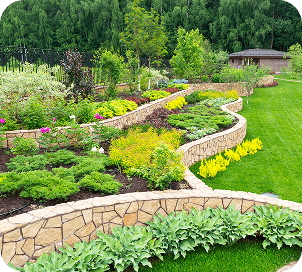

As soon as the idea of building your own patio crosses your mind, a logical question arises: What are the best materials for a patio? And if you’re looking for a clear answer: natural stone, pavers, and high-quality concrete. These three options provide the greatest durability for any outdoor space. But if these three options are the most suitable, why are there so many more choices?
Because materials are designed to withstand different conditions. For example, you need to start with a reliable foundation that can withstand the scorching sun, freezing temperatures, and constant stress. In some regions, there’s a lot of rain; in others, the ground is more prone to earthquakes, increasing the risk of cracks. That’s why you need to approach this choice with the utmost seriousness. In this article, we’ll break down the best options so you can make an informed decision.
What Makes a Patio Material Truly Durable?
When customers come to us, the first question is almost always the same: which durable patio materials won’t fall apart after a couple of seasons? True durability is the ability to withstand harsh weather year after year. And if you choose the wrong material, you won’t just be disappointed, you’ll be furious. Because that means you’ll have to start from scratch, wasting your energy, time, and, just as importantly, money on building something new. Let’s start with some simple rules:
- First, the surface must be water-repellent. If the surface absorbs rain, the water freezes in winter, expands, and causes cracks. A good material doesn’t let water through.
- Second, the patio must be able to support the weight of grills, heavy tables, patio furniture, and people. patio surface materials should not sag or warp under these conditions.
- Third, the material needs to have some “give.” The ground beneath the patio shifts after it rains. A surface that’s too rigid will simply crack.
The Best Patio Materials Compared
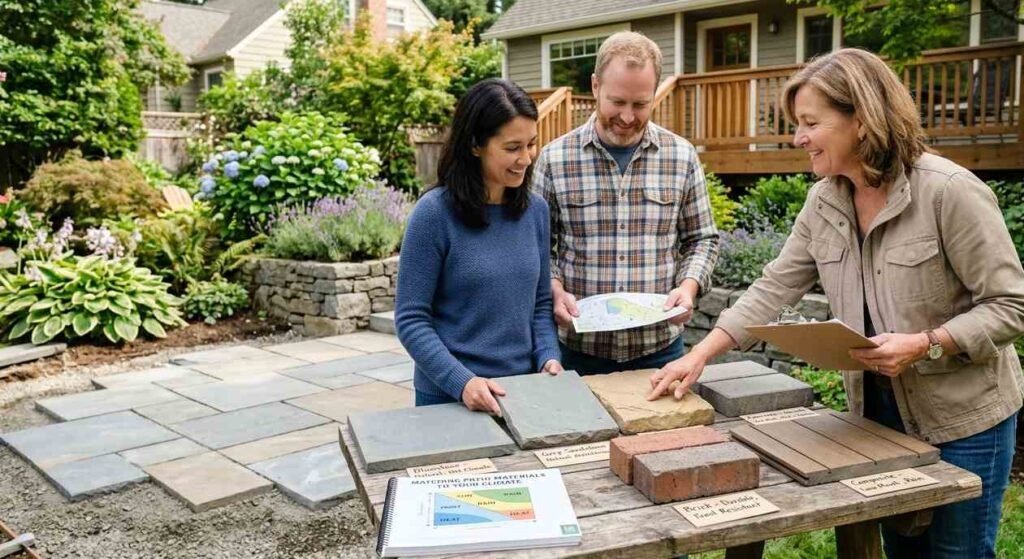
Now that we understand what makes a surface durable, let’s compare the best patio material options. Each option has its own look and comes at a different price. Some are quick to install, while others require weeks of work. We’ll break down a couple of popular solutions and explain why we favor them specifically.
Concrete Patios
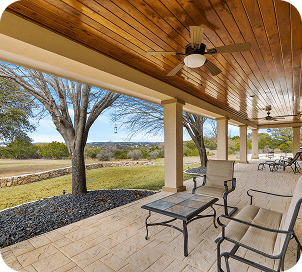
Many consider poured concrete the best material for patio projects. Concrete is very popular not only because of its appearance (the “raw” look is back in style), but also because of its properties and… its price. Pouring concrete is usually the most budget-friendly way to cover a large area quickly. And modern technologies help make this concrete beautiful as well, with various patterns (for example, mimicking natural stone or brick). This way, you get a great look on a modest budget.
Well, concrete does have a serious drawback: it doesn’t quite meet the guidelines we outlined above. Concrete is a monolithic layer, which means it doesn’t flex. When the soil gets wet and shifts, the concrete can’t move with it and may crack.
Pavers and Interlocking Stone
Pavers are another durable and smart solution. When we explain the difference between concrete and paver patios to clients, the main argument is always the same: how they respond to soil movement. Pavers are individual blocks, not a monolithic slab. They’re laid on a thick bed of gravel and sand, which allows the entire surface to “give” slightly.
Here are a few more undeniable advantages of this choice:
- Load distribution. Heavy tables apply pressure to several blocks at once, without overloading any single one.
- Easy repairs. Is one element damaged? Pull it out and replace it in five minutes.
- High density. Factory-made pavers are pressed under immense pressure, making them harder than regular concrete.
High-quality patio paving materials of this type easily last 40 years, as we’ve seen in our own projects. As for the downsides, it’s the price. Of course, laying pavers is usually more expensive because you have to buy individual blocks, and the installation is more complex since you have to lay them piece by piece.
Natural Stone
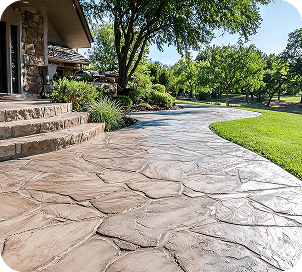
If you want your yard to look truly natural, stone is in a league of its own. Slate, flagstone, limestone, and granite are the best patio surface materials available. They came from the earth and have already endured thousands of cycles of heat and frost. Each stone is unique in shape and texture.
Natural stone doesn’t fade in the sun. On the contrary, over time, it only improves in appearance, it develops a noble patina. Artificial materials try to imitate it, but the original is always better. Yes, installation takes time and is more expensive, as the craftsman manually selects and fits each piece. Stone easily lasts 50-100 years with minimal maintenance .
Brick
Brick creates a classic, cozy feel. It looks great next to traditional-style homes. If you’re considering all the best patio materials, real clay brick is an excellent option. It’s fired in blazing-hot kilns, which permanently sets its deep reddish-brown hues. The color won’t fade or flake off like paint on concrete. You can lay out beautiful patterns with bricks: herringbone, squares, and diagonal patterns.
The only caveat we’d like to honestly point out is that brick absorbs slightly more water than dense stone. Moss may appear on it in shady spots, though many clients consider this part of its vintage charm.
Matching Patio Materials to Your Climate
Your region’s climate is one of the key factors when choosing patio surface materials, and we always start our conversation with a client by addressing this very issue.
In regions with freezing winters, monolithic concrete slabs are a risky choice. Wet soil freezes, expands, and cracks the concrete. In cold climates, you need a flexible surface. Paving stones and natural stone are much more reliable: a sand bed between the stones compensates for soil movement as it freezes.
If, on the other hand, your climate is hot and sunny, you shouldn’t choose dark materials that get so hot you can’t walk on them barefoot. Light-colored stones like limestone reflect the sun and stay cooler.
Cost vs. Long-Term Value
When you’re just looking at the price tag at the moment, you’re not considering the long-term investment. For example, let’s say you’ve chosen concrete, which is one of the cheapest materials. But what will happen to it in 10 years? Cracks will inevitably appear, and if there’s been significant ground movement, large cracks can only be repaired by completely removing the existing surface. Then you’ll have to pour a new slab, which doubles the cost.
Our sincere recommendation is to spend a little more up front to save money in the long run. Natural stone and high-quality patio paving materials cost more initially. But they last for decades. Even if a single element breaks, you can easily replace it without having to completely tear it down.
Maintenance Tips for a Patio That Lasts
Even the most durable patio materials require minimal maintenance. But the good news is that it’s nothing complicated:
If you have a block paver surface, add special setting sand to the joints. It prevents weeds from growing and won’t wash away in the rain.
Every few years, apply a clear protective sealant to stone or concrete. It acts like a raincoat: it protects against stains and prevents road salt from damaging the surface in winter.
Surface cleaning. This is the simplest step, but it’s often overlooked. It’s cleaning right from the start that prevents most problems, such as wet leaves that leave marks (after all, if you remove them right away, no marks will remain).
Build a Lasting Patio with MasterMax Builders
A beautiful patio is only as durable as its foundation, and we know this not just from books. At MasterMax Builders, we dig deep, tamp down the gravel base perfectly, and lay each stone with precision. We select patio surface materials that will withstand the harshest weather without cracking or breaking, and we build something that will last a very long time.
Ready to finally have a worry-free outdoor space? Want a yard that will actually add value to your home? Contact MasterMax Builders today, and we’ll inspect your property and offer a customized plan tailored to your needs and budget.

